

深圳市恒利信電子有限公司
ShenZhen HengLiXin Electronic Co,.Ltd.
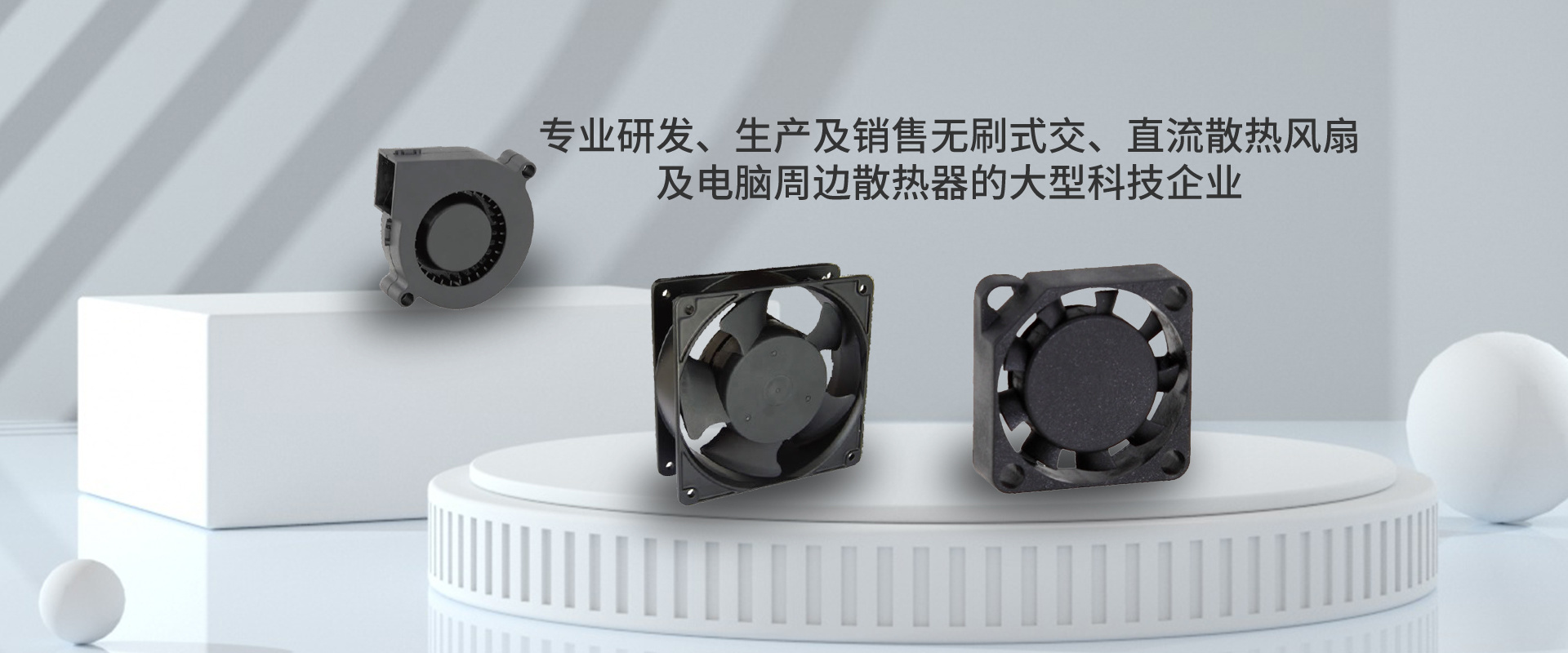
深圳市恒利信電子有限公司是專業(yè)研發(fā)、生產(chǎn)及銷售無刷式交流散熱風(fēng)扇、直流散熱風(fēng)扇、直流微型鼓風(fēng)機(jī),及電腦周邊散熱器的大型科技企業(yè),產(chǎn)品主要應(yīng)用于電腦周邊設(shè)備、家用電器、音響功放系統(tǒng)、汽車冰箱、車載設(shè)備、儀器儀表、機(jī)械設(shè)備之通風(fēng)散熱。具有低噪音、低功耗、壽命長、大風(fēng)量等特點(diǎn)。
恒利信嚴(yán)格按照ISO-9001質(zhì)量管理體系作業(yè)要求,創(chuàng)建全面高效的品質(zhì)系統(tǒng),以滿足客戶的需求,促進(jìn)企業(yè)健康、穩(wěn)步、長期發(fā)展。
19年行業(yè)經(jīng)驗(yàn),高效率技術(shù)團(tuán)隊(duì)
高新技術(shù)企業(yè),眾多核心專利技術(shù)
服務(wù)10000家以上企業(yè)客戶
提供售后1對(duì)1的服務(wù)
工業(yè)散熱風(fēng)扇專家
專業(yè)的工業(yè)散熱風(fēng)扇廠家

品質(zhì)制造
嚴(yán)謹(jǐn)?shù)腎SO-9001質(zhì)量體系作業(yè)流程產(chǎn)品全面通過UL、CE、SGS等安全認(rèn)證符合RoHS、REACH要求
智能可靠
恒利信工業(yè)散熱風(fēng)扇具備:RD報(bào)警、FG測速、PWM調(diào)試、TC溫控、AS自動(dòng)保護(hù)、TH過壓保護(hù)、TL欠壓保護(hù),及Imax過流保護(hù),全面提升產(chǎn)品智能化和電氣可靠性
專注專業(yè)
11年交流、直流散熱風(fēng)扇研發(fā)、生產(chǎn)經(jīng)驗(yàn)10余名資深研發(fā)工程師,支持產(chǎn)品定制1000余名生產(chǎn)作業(yè)人員

產(chǎn)能保證
完善的服務(wù)體系,訂單響應(yīng)快速散熱風(fēng)扇月產(chǎn)量可達(dá)200萬套專業(yè)制造、交期穩(wěn)定有保證
產(chǎn)品系列
新聞資訊
公司注冊商標(biāo)“HENGLIXIN” 系列產(chǎn)品通過了UL CE SGS等安全認(rèn)證,產(chǎn)品符合RoHS REACH的要求,保證客戶購買到滿意的、高性價(jià)比的產(chǎn)品。
2023.04.10
直流散熱風(fēng)扇和交流散熱風(fēng)扇的區(qū)別?
散熱風(fēng)扇根據(jù)應(yīng)用環(huán)境的不同,可分為交流散熱風(fēng)扇和直流散熱風(fēng)扇兩大類。主要應(yīng)用于電腦周邊設(shè)備、家用電器、音響功放系統(tǒng)、汽車冰箱、車載設(shè)備、儀器儀表、機(jī)械設(shè)備之通風(fēng)散熱。交流散熱風(fēng)扇一般用在再工業(yè)機(jī)械設(shè)備、醫(yī)療設(shè)備等大型設(shè)備上面;直流散熱風(fēng)扇則一般用在電子設(shè)備和電器等小型設(shè)備領(lǐng)域。
2023.04.10
工業(yè)散熱風(fēng)扇的主要技術(shù)指標(biāo)
工業(yè)散熱風(fēng)扇的性能決定著風(fēng)冷散熱器的散熱效果——通過風(fēng)扇的強(qiáng)制對(duì)流來加快熱量的散發(fā),因此一款散熱風(fēng)扇的好壞,對(duì)整個(gè)散熱系統(tǒng)起著決定性的作用。配備一個(gè)性能優(yōu)良的工業(yè)散熱風(fēng)扇是保證整個(gè)設(shè)備系統(tǒng)順利運(yùn)轉(zhuǎn)的關(guān)鍵因素之一。
2023.04.10
工業(yè)交流直流散熱風(fēng)扇除了關(guān)注其散熱效果之外,交流散熱風(fēng)扇或直流散熱風(fēng)扇的工作噪音也是值得關(guān)注的問題。一般要求工業(yè)散熱風(fēng)扇的噪聲要盡量的小,而且不能存在異音。
聯(lián)系我們
深圳市恒利信電子有限公司
地址:深圳市寶安區(qū)西鄉(xiāng)廣深公路375號(hào)金山工業(yè)園1棟
關(guān)注咨詢
微信二維碼